What it is
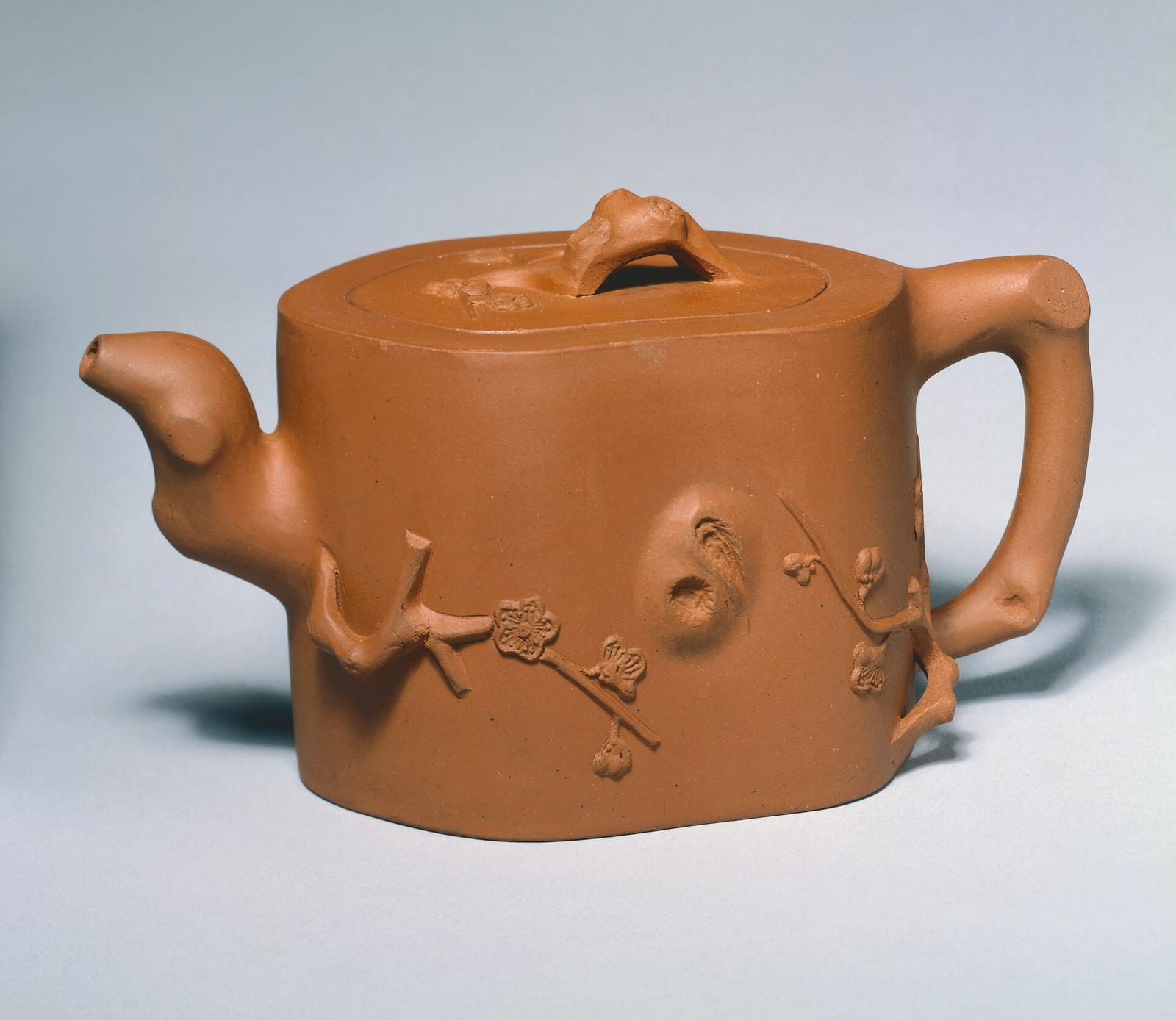
A kyusu is a small Japanese teapot used mainly for steeping sencha and other leaf teas. Most examples hold roughly 200–600 ml. The characteristic form has a rounded or flattened body, a short straight spout, a lid set into the opening, and a side handle placed at about ninety degrees to the spout. The side handle lets the wrist stay low while pouring, which suits repeated brewing at a low table.
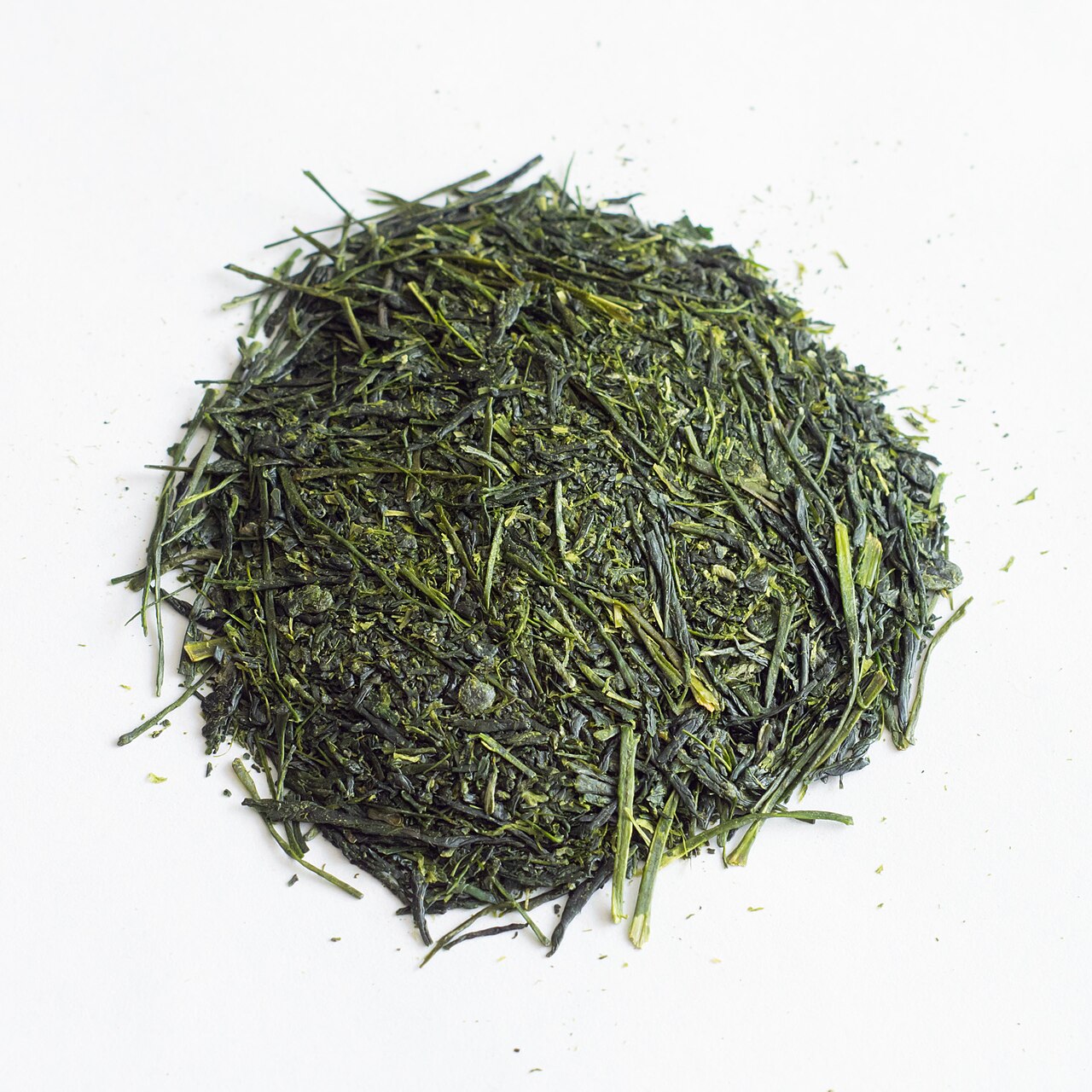
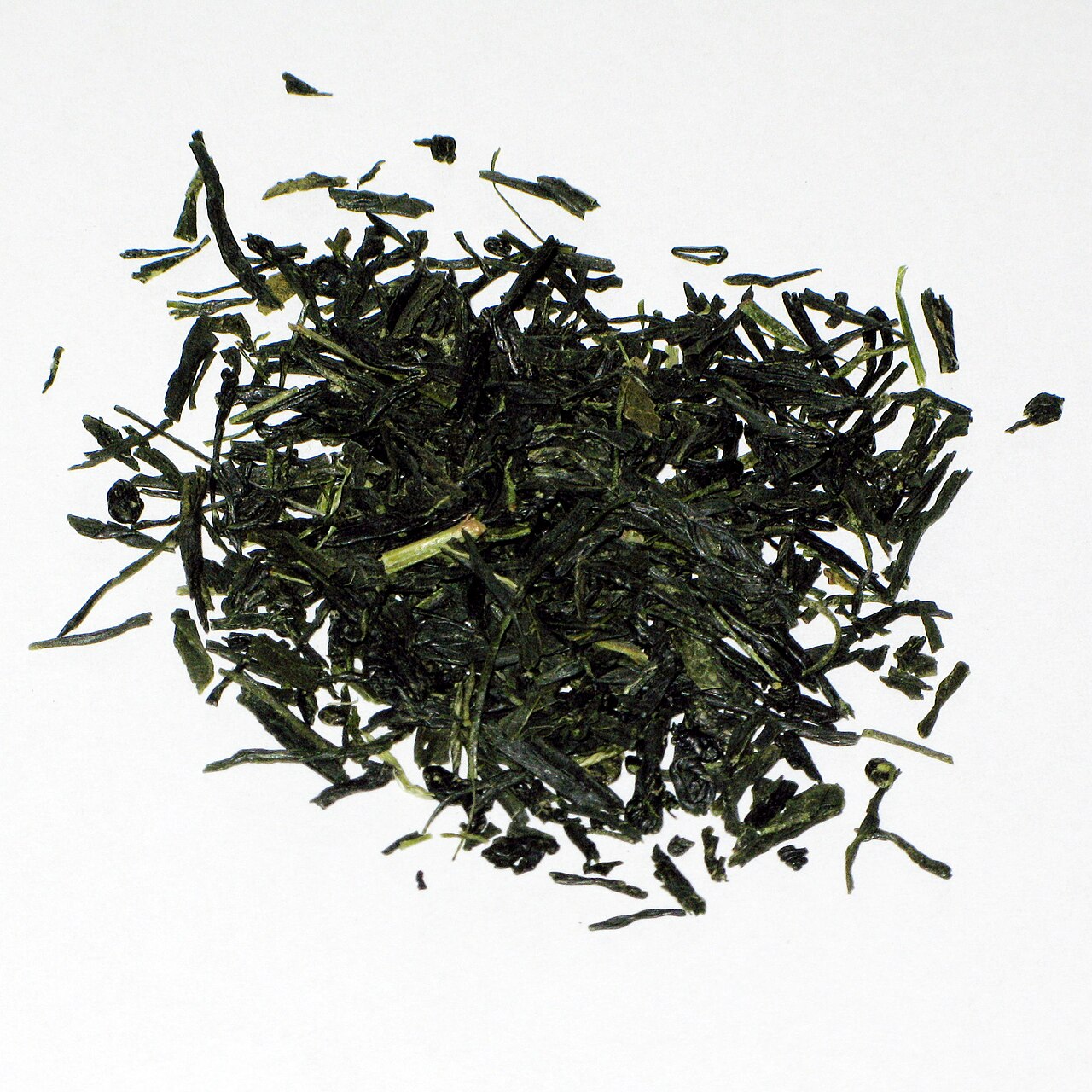
A kyusu is not a Japanese gaiwan, and it is not a general name for every Japanese teapot. It is designed for leaf tea, especially sencha and gyokuro, not for whisking matcha. Compared with a Chinese gongfu teapot, it emphasises one-handed pouring, short infusions and everyday use.
Structure and origins
A kyusu usually consists of a body, lid, spout, internal strainer and handle. The strainer may be a metal mesh, a ceramic wall with drilled holes, or a built-in ceramic filter at the spout. Side handles, back handles and overhead handles all exist; the side handle is the most common in sencha ware.
Tokoname in Aichi Prefecture is the best-known producing centre. It is one of Japan's Six Ancient Kilns. Kyusu production expanded in the late Edo period alongside the popularity of sencha. Potters first copied Chinese teapots, then developed red-clay kyusu from local iron-rich clay. Tokoname red clay is reddish brown, dense and often left unglazed inside. These are material and firing facts, not proof that red clay is universally better.
How to use it
- Warm the pot with hot water, then discard the water.
- Match leaf amount to the pot. A common starting point for sencha is 4–6 g of leaf to 200–300 ml water; gyokuro uses less leaf and cooler water.
- Sencha is commonly brewed at 70–80°C; gyokuro may be brewed at 50–60°C. Adjust to the tea and your taste.
- Steep the first infusion for about 45–60 seconds, then lengthen later infusions. Drain the pot fully so the leaves do not stay in water.
- Rinse with water only, leave the lid open to dry, and do not store the pot with a wet lid closed.
Choosing and care
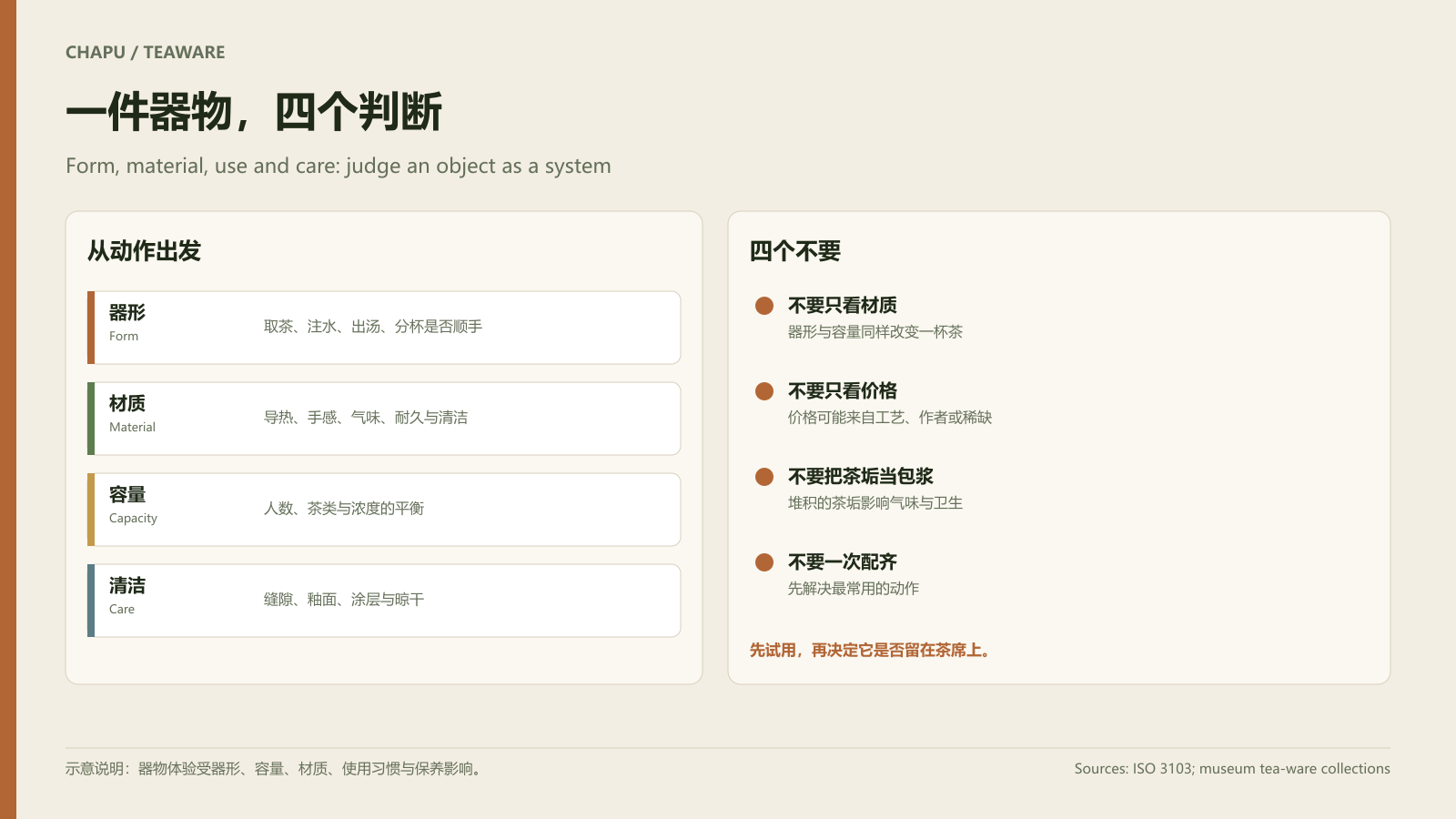
Start with the handle, not the clay story. Check whether the side handle fits your hand, the lid opens and closes comfortably, the strainer is easy to clean, and the spout stops cleanly. Capacity matters: 200–300 ml suits one drinker; 400–600 ml suits two or three. Inspect the strainer for gaps, the spout for blockage, and the lid for a close but not tight fit.
Common misunderstandings
- A kyusu is not automatically right for every tea. It is mainly a sencha and gyokuro vessel; matcha requires a bowl and whisk.
- Red clay is not a health material. Clay affects tactility, aroma retention and pour behaviour, but it does not justify water-quality or health claims.
- The side handle is functional. It changes wrist angle and stability during pouring.
- There is no single “seasoning” ritual. Rinsing, warming and drying are necessary; boiling a pot in rice water or tea is not appropriate for every vessel.
Pour angle and the last drop
With the handle on the side, the wrist turns naturally; about 45 degrees gives the steadiest stream. At the end, lift the spout slightly so the last drop runs back inside instead of shaking the pot. Japanese green tea is usually three infusions: cool and short first, a little longer second, longer third; a small pot gives more control.
Inner filter choice
A fine metal mesh catches dust best but needs careful cleaning; a clay filter pours more slowly and keeps more flavour, good for sencha; a filterless pot relies on the spout’s leaf stop and suits intact leaf. Check whether the filter can be removed; fixed filters are harder to clean.
Source boundary
This page covers the kyusu form, common use and the Tokoname context. Kiln, clay and firing differences change feel and aroma; one origin cannot stand for all kyusu. Capacity, water temperature and steep time must be adjusted to the tea actually being brewed.