What it is
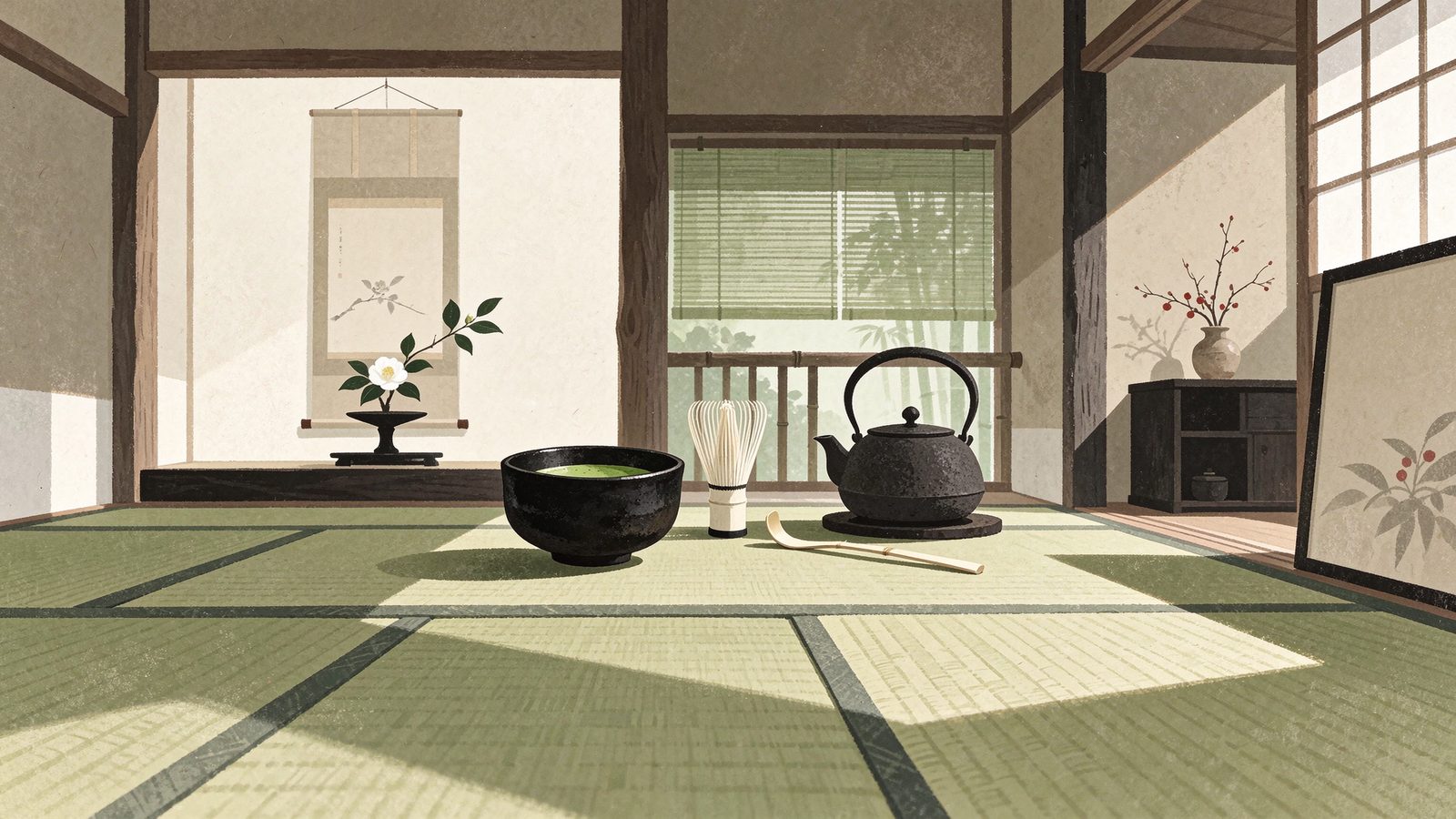
A chasen is a bamboo tool used to prepare matcha. It is cut from a short section of bamboo: the lower part becomes the handle, while the upper part is split into many fine tines with slightly inward-curving tips. Matcha and hot water are placed in a tea bowl, and the chasen is moved briskly back and forth to disperse the powder and introduce air, creating a fine foam.
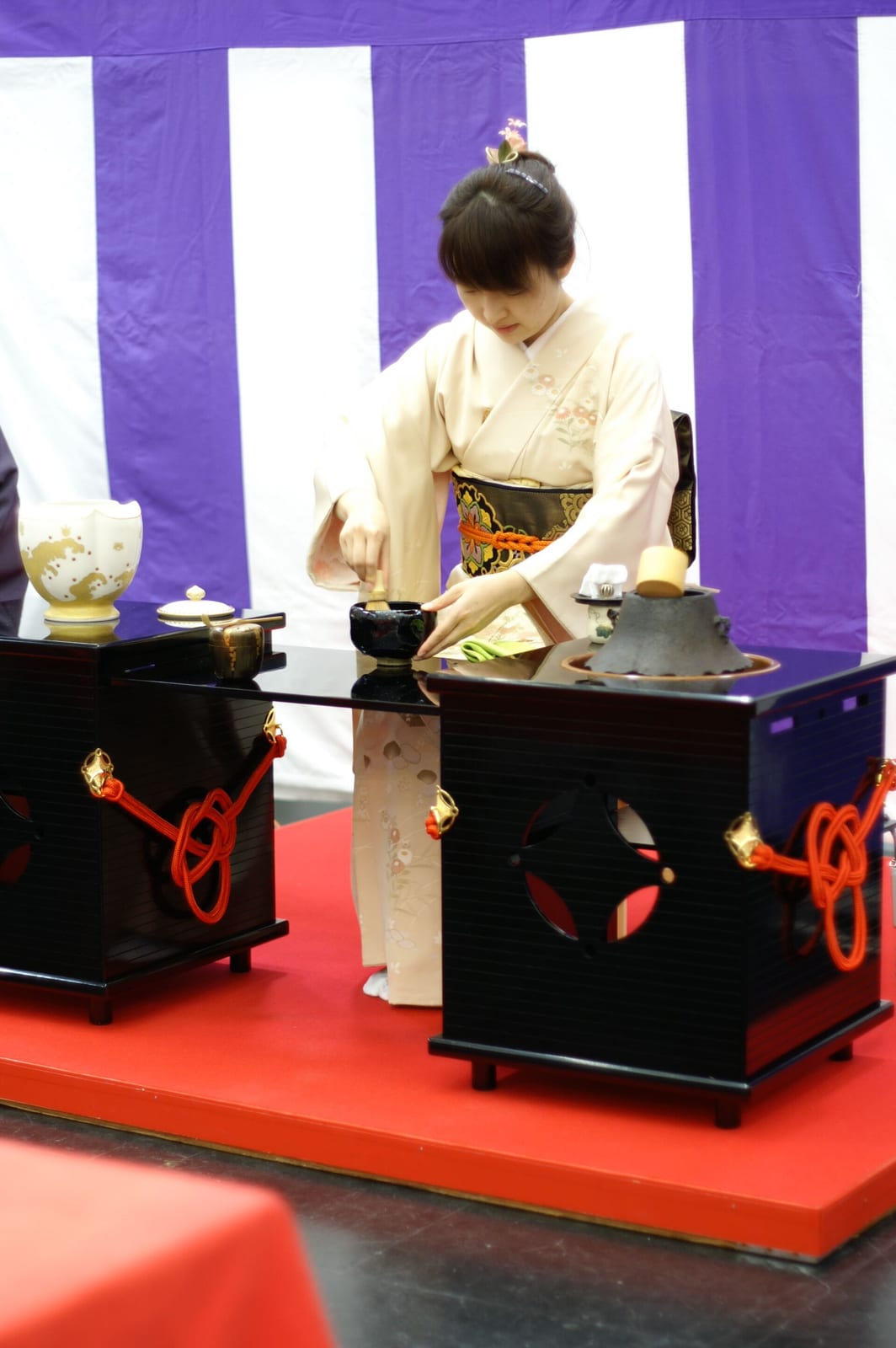
A chasen is not a stirring stick or a kitchen whisk. Its action depends on the spring and number of tines: tines that are too stiff can scratch the bowl, while tines that are too soft fail to break up clumps. It is also a tea-ceremony utensil, and shape, bamboo and tine count vary by school and purpose.
Structure and origins
A chasen has a handle, binding cord, tine body and tine tips. Common tine counts range from about seventy to more than one hundred and twenty. Higher counts are generally used for thin tea (usucha); fewer, thicker tines suit thick tea (koicha). Bamboo is usually madake, moso or black bamboo. Winter harvesting, oil removal, sun drying and storage affect the resilience of the tines.
Takayama in Ikoma, Nara Prefecture, is the best-known production centre. Local tradition traces chasen making to the Muromachi period and to tea masters such as Murata Juko. Takayama chasen later received designation as a traditional craft, and most handmade Japanese chasen still come from this area. This concentration is a craft tradition, not a rule that chasen cannot be made elsewhere.
How to use it
- Before first use, soak the tines in warm water for 1–2 minutes to soften the bamboo.
- Warm the tea bowl with hot water, then dry it. Add sifted matcha and the appropriate amount of hot water.
- Keep the wrist relaxed and move the chasen back and forth in an M or W path. Do not stir in circles or press hard against the bottom.
- For usucha, whisk until a fine foam forms. For koicha, use a slower, more concentrated motion and do not aim for a thick foam.
- Rinse under warm water without detergent. Shake off excess water, then stand the chasen on a whisk holder to dry and keep the tines straight.
Choosing and care
Choose tine count by use, then inspect workmanship. A 100- or 120-tine chasen is common for usucha; fewer, thicker tines suit koicha. Check that the tips are even, the binding is tight and the handle fits the hand. A new chasen may release a little bamboo dust; rinse it before use. The most important habit is to rinse and air-dry immediately after use. Leaving a wet chasen in its box encourages mould and bent tines.
Common misunderstandings
- More expensive is not automatically better. Tine count, form and bamboo must match the tea, bowl and technique.
- A chasen does not replace a tea bowl. Matcha needs a bowl of suitable depth and width; the chasen only whisks.
- Do not use a dishwasher. Heat, detergent and prolonged soaking damage bamboo and binding.
- More foam is not always the goal. Usucha may aim for fine foam; koicha does not use the same standard.
Tine count and the liquor
A chasen with more, finer tines foams more easily for thin tea; fewer, coarser tines suit beginners or thick tea. Wet a new chasen in warm water to soften the bamboo; rinse at once after use so powder does not dry at the base. Price is not the point: intact tips, moderate spring and a comfortable handle matter more.
When to replace
Broken tips, splayed tines and coarser foam are signals to replace. A chasen is a consumable; do not wait until it falls apart. A regular user may replace one every three to six months, depending on frequency and care.
Source boundary
This page describes the chasen form, common tine counts, use and care. Tea schools, bowl shapes and matcha grades change technique. Takayama's craft tradition does not mean every chasen comes from Takayama, and whisking results cannot be reduced to price or tine count alone.