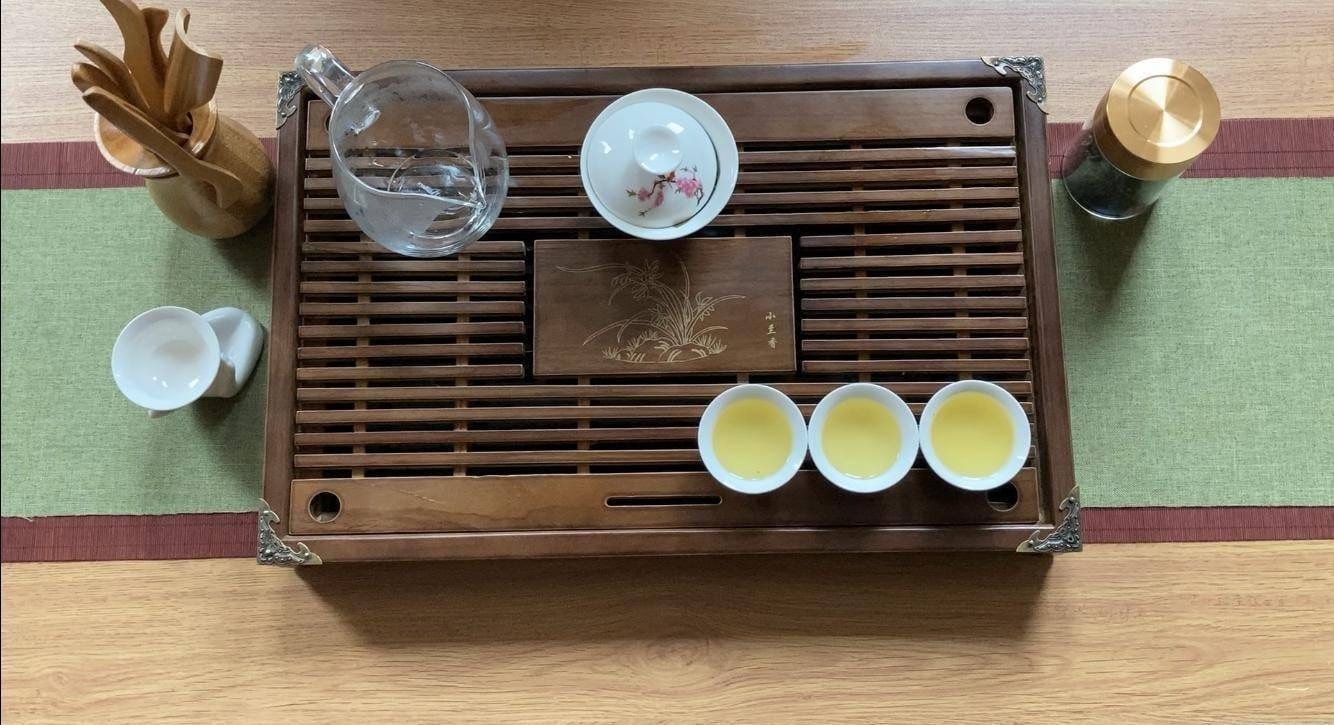
Il lupa · CC BY-SA 4.0Gaiwan
A three-part vessel with a lid, bowl and saucer, used both for brewing and for drinking. A white porcelain gaiwan is neutral, easy to observe and a practical tool for learning and comparing teas.
VesselCoreExplore vessels by purpose, form and material.
Il lupa · CC BY-SA 4.0A three-part vessel with a lid, bowl and saucer, used both for brewing and for drinking. A white porcelain gaiwan is neutral, easy to observe and a practical tool for learning and comparing teas.
VesselCore
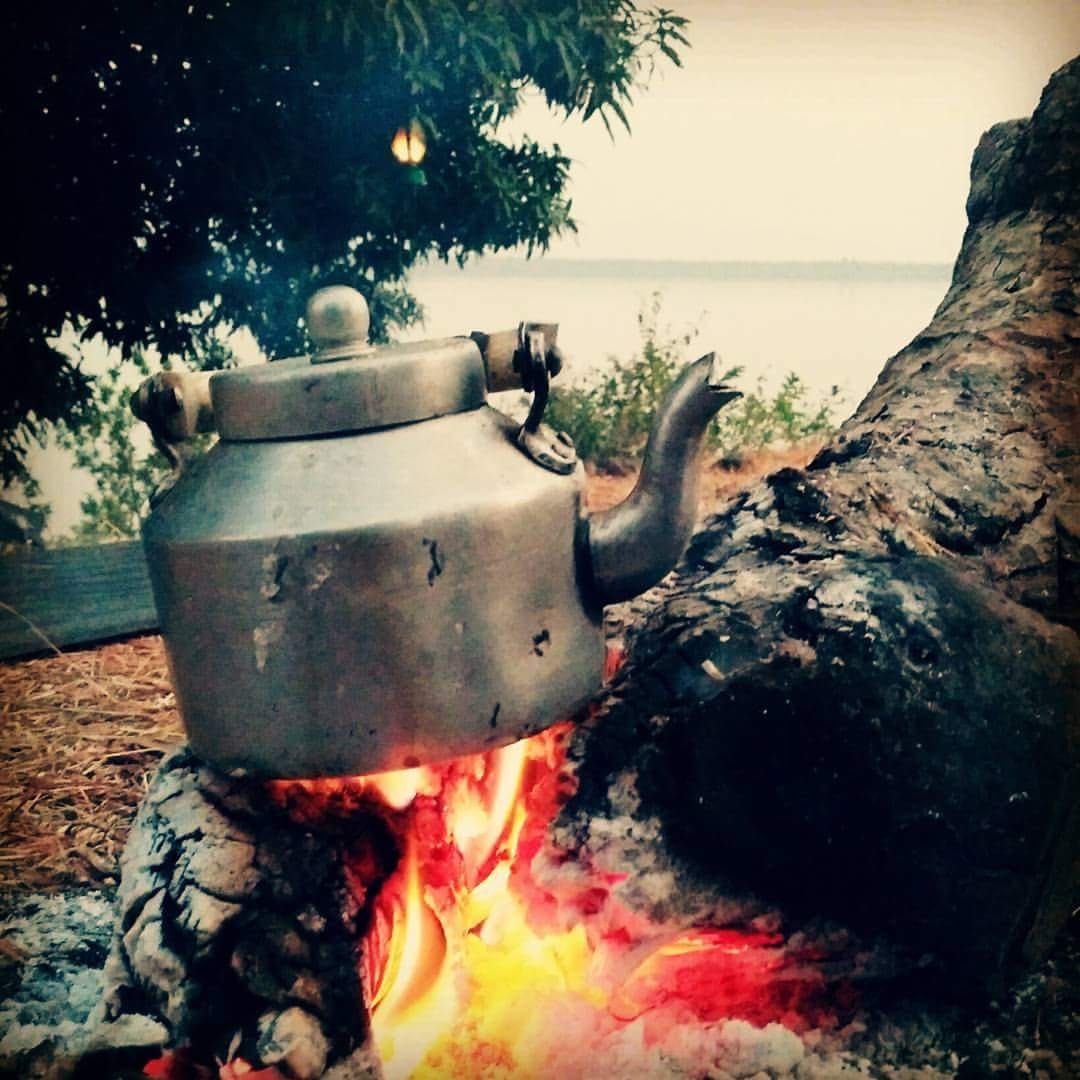
Benchmark3 · CC BY-SA 4.0A kettle or heating vessel for brewing water. Stable temperature control matters more than expensive materials; safety depends on the material, heat source and handling.
VesselCore
沈澤 · CC BY-SA 4.0A vessel that receives brewed tea and divides it among cups so each cup has a similar strength. Capacity, pouring and cut-off matter; glass or white porcelain makes the liquor easy to observe.
VesselCore
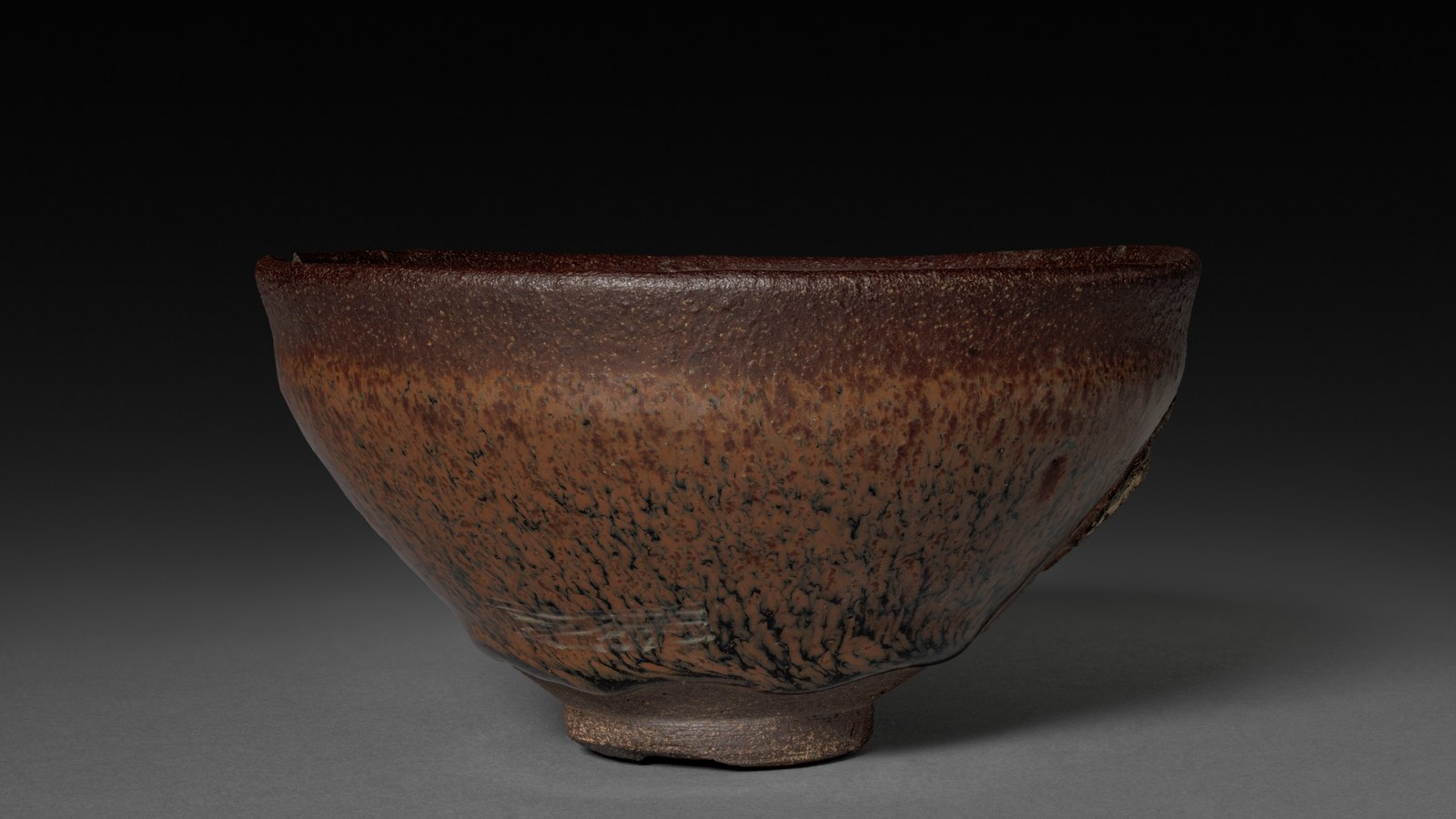
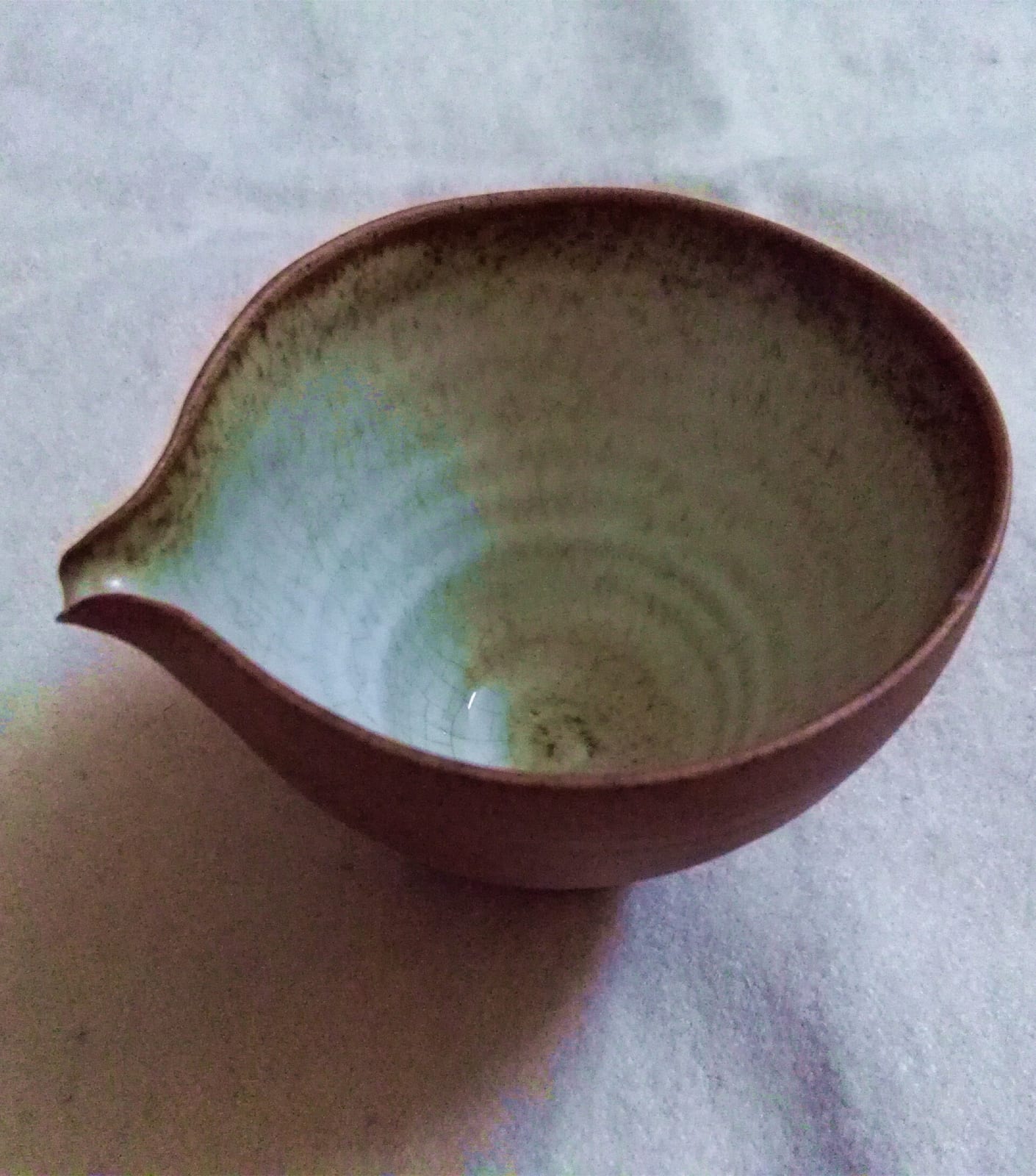
The Cleveland Museum of Art · CC0 1.0A handleless bowl for drinking or whisking tea. The dark-glazed Jian ware bowls of Song dynasty Fujian set thick stoneware and hare's-fur streaks against the pale foam of whisked tea, making them one of the most recognisable forms in tea ware.
Vessel
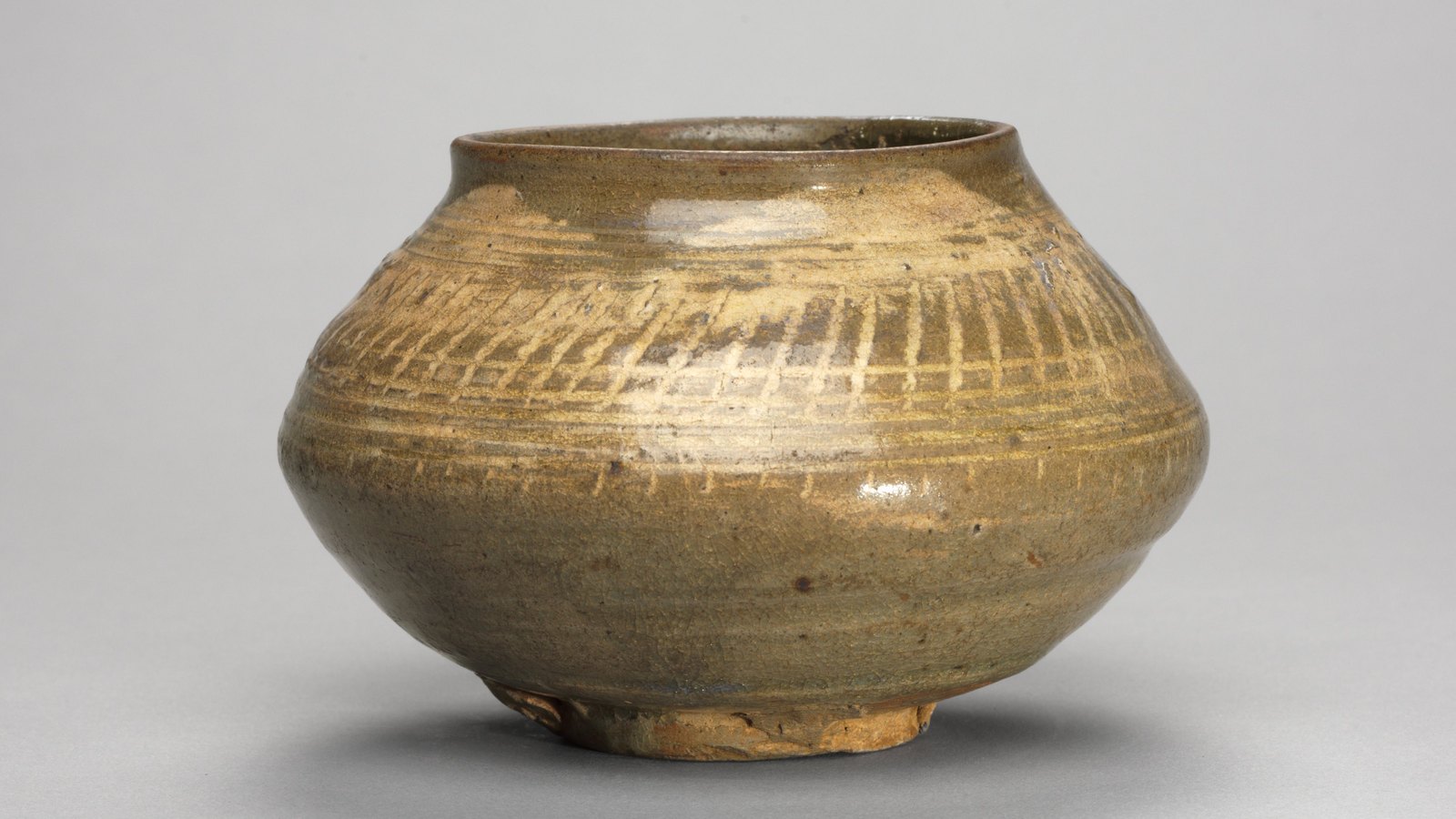
The Cleveland Museum of Art · CC0 1.0A small container for the tea or tea powder used over days and weeks. Its real task is to reduce repeated opening of the main pack, limit light, moisture and odour, and keep a modest amount of leaf close at hand.
Vessel
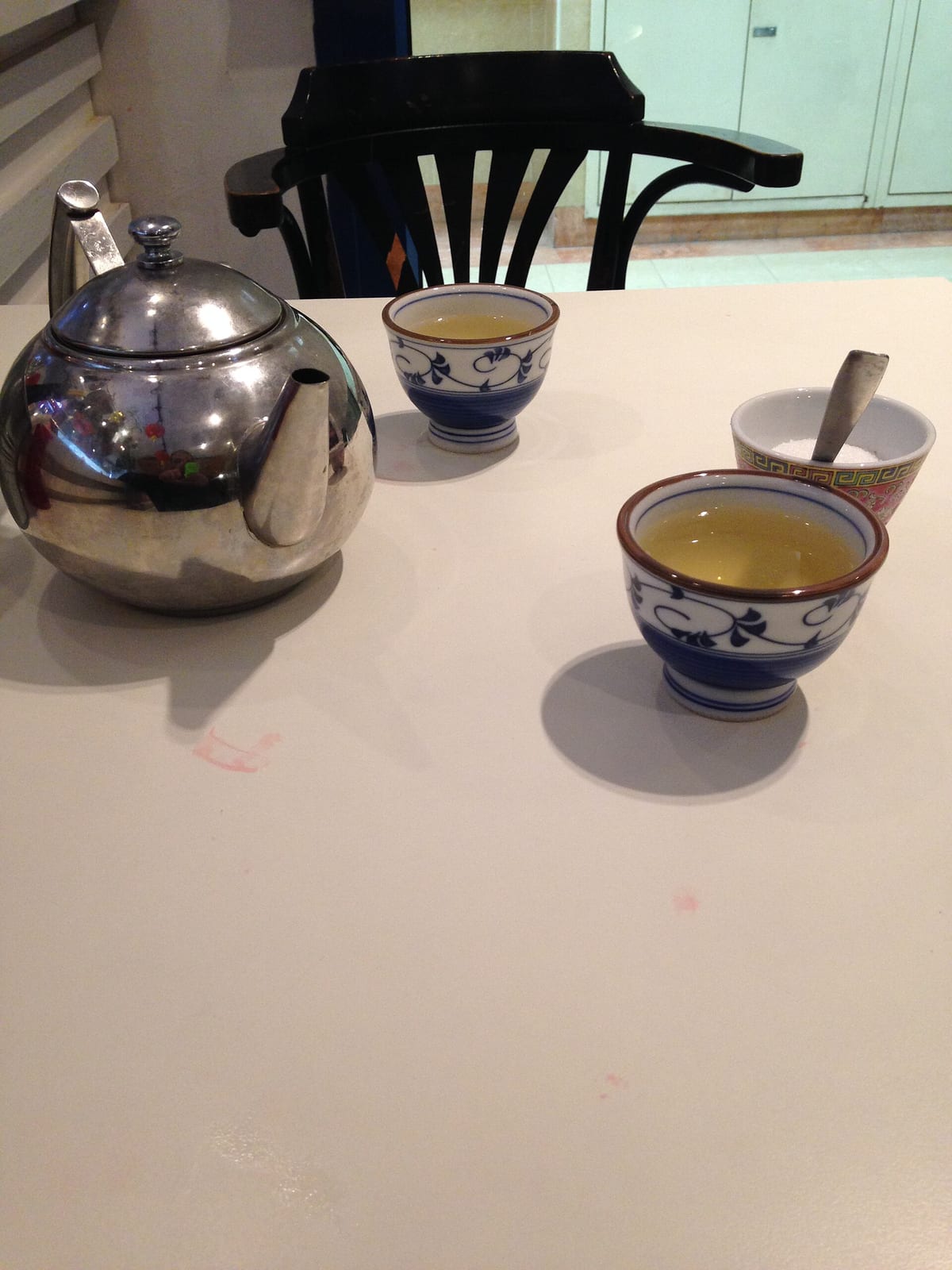
טפלון צבאי · CC BY-SA 4.0A small cup for drinking tea. The rim, body and material affect aroma and the first impression in the mouth; a smooth rim and stable foot matter more than decoration.
VesselCore
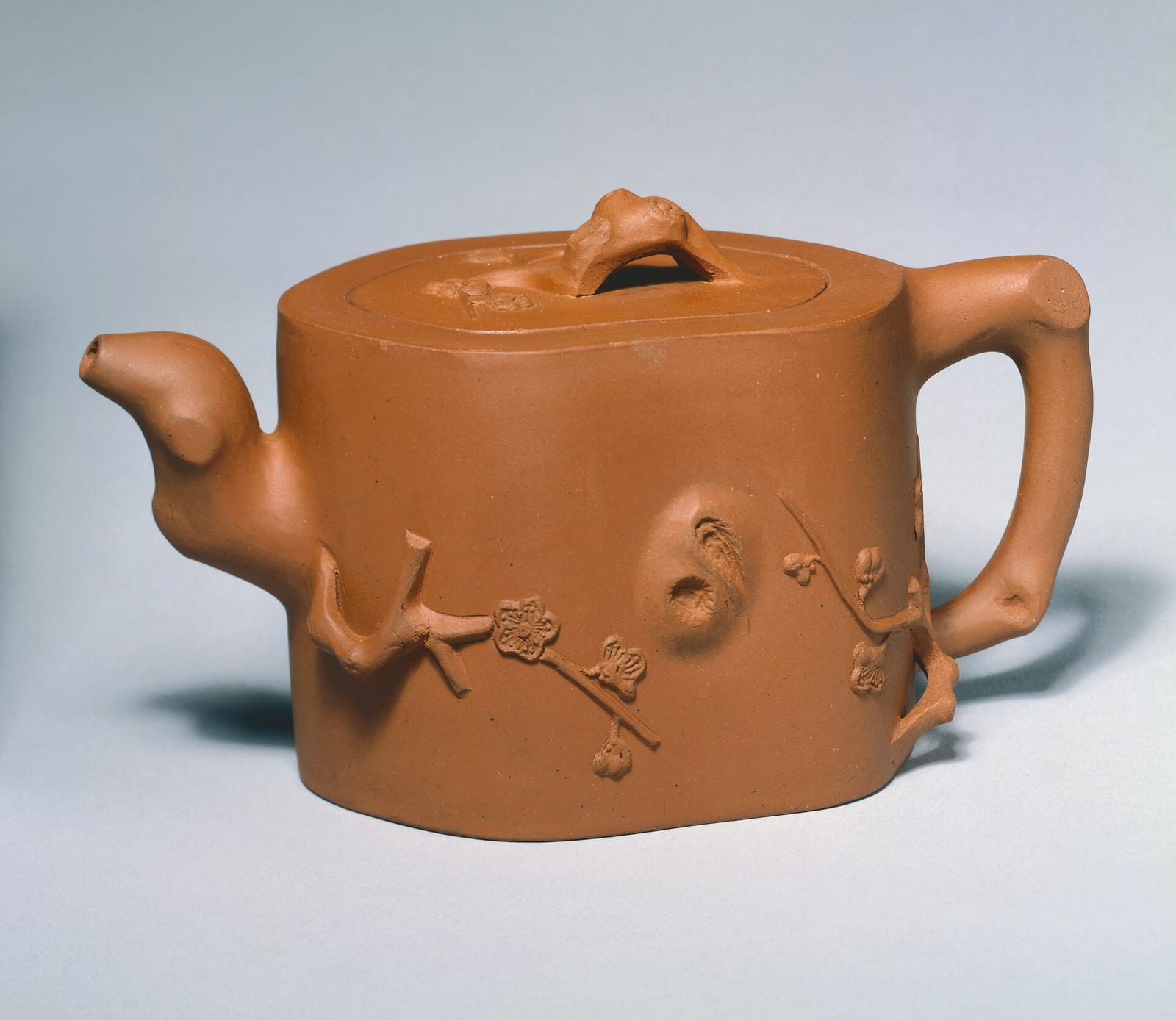
Cleveland Museum of Art · CC0A brewing vessel with a spout, handle and lid. Materials and shapes vary widely, and heat retention is usually better than a gaiwan. Pouring, capacity and comfort matter more than appearance.
VesselCore